
Sprayer Winterization Checklist for Farm Crews
The last spray job is done. One person cleaned the rig, another parked it, and now a freeze is in the forecast. Can either of them tell you whether the rinse tank, pump, and every boom section were checked? That is what this checklist is for.
Set a due date after the last planned use and before freezing temperatures are expected at the storage site. Use the free one-page sign-off sheet for each rig. Open it to print or fill in a copy on your computer; no account needed.
This is a handoff checklist, not a service procedure. Before opening or servicing the system, look up the sprayer and pump manuals, the labels for products used in the rig, and the cleaner or winterizing product label. Follow their shutdown, pressure-release, protective-equipment, cleanout, and disposal directions. If those directions are unclear, stop and confirm with the dealer or local Extension office before proceeding. Penn State Extension explains the separate cleanout and winterization steps.
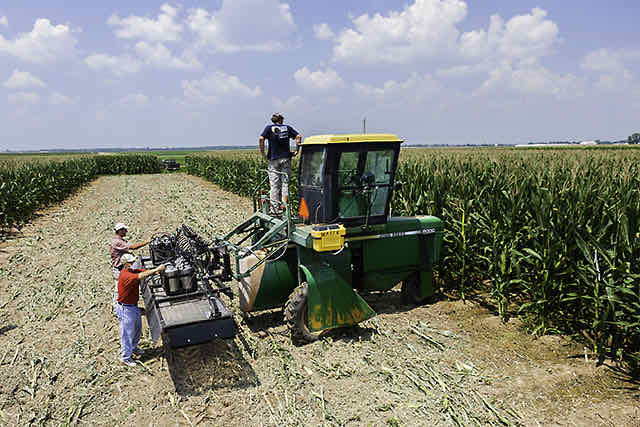
What to check before you put the sprayer away
Start with the equipment name or ID, the operator, and the planned storage location. Circle one status per line: Done, Needs attention, or Not fitted. Leave a note for every item that still needs attention.
| Check | What to record |
|---|---|
| Cleanout | Which operator confirmed that label-directed cleanout was complete, and where the rinsate handling was recorded. |
| Tank, pump, and plumbing | Whether the operator confirmed the model-specific storage steps for the main tank, pump, suction and return lines, and any low points called out in the manual. |
| Rinse or induction system | Whether each fitted auxiliary tank, fill line, and valve was checked separately. Mark absent components Not fitted. |
| Boom and filters | Which boom sections, ends, filter housings, and strainers were checked. Write the section name if one still needs work. |
| Gauges and controls | Where any removed parts are stored and whether the manual calls for separate storage steps for gauges, meters, or controllers. |
| Repairs and restart | List leaks, worn hoses, damaged fittings, or any parts to order. Note who will handle each repair before the next use. |
Kansas State Extension’s winter storage guide covers the pump, gauges, filters, booms, and other components separately. On your sheet, record only the parts the operator actually checked. “Parked in the shop” does not mean “ready for storage.”
A worked handoff: one open item, not a green check
On our fictional farm, the operator signs off the tank and pump but cannot confirm the right boom-end check. The note reads: Sprayer 2 · right boom end still open · check against the manual before the overnight freeze · assigned to Avery. The sprayer stays on hold. When Avery confirms the boom check, the manager records the date and clears it for storage. A cracked gauge cover goes on a separate repair task if it does not prevent safe storage.
In CropBuddy equipment scheduling, attach Sprayer 2 to a task named “Winterize Sprayer 2,” assign one person, and put the six checks in the task notes. Leave the task open if a storage check is still unresolved. Record the sign-off in the completion note once confirmed, and give any separate repair its own due date. CropBuddy records the work; it does not verify freeze protection or replace the equipment manual.
Sprayer winterization questions
When should I schedule it? Schedule after the final spray job and before freezing weather at the storage site. If someone books another job after sign-off, reopen or repeat the check when that job ends.
Can I sign off once the main tank is empty? Not on that alone. The tank reading says nothing about liquid left in the pump, filters, auxiliary systems, or boom plumbing. Check each fitted system against the manual.
What if the product or procedure is unclear? Leave that item open and verify the correct storage procedure with the dealer or an Extension specialist. Do not substitute leftover fertilizer or guess what a different sprayer recommends. Purdue Extension has a more detailed winter storage and spring startup guide.
Who signs off if two people split the job? Have each operator note what they checked. Name one person to confirm all storage checks are closed. Keep that name, date, and any spring restart notes together so the next person does not have to start from scratch.
If the paper sheet works for you, use it. If the problem is getting the sign-off back to the person who schedules the crew, start a CropBuddy workspace and try assigning the check for one sprayer.
Ready to Try CropBuddy?
Start with one field and one useful job. Free during public beta; no payment card required. Or explore the demo farm first.
Try it with one field